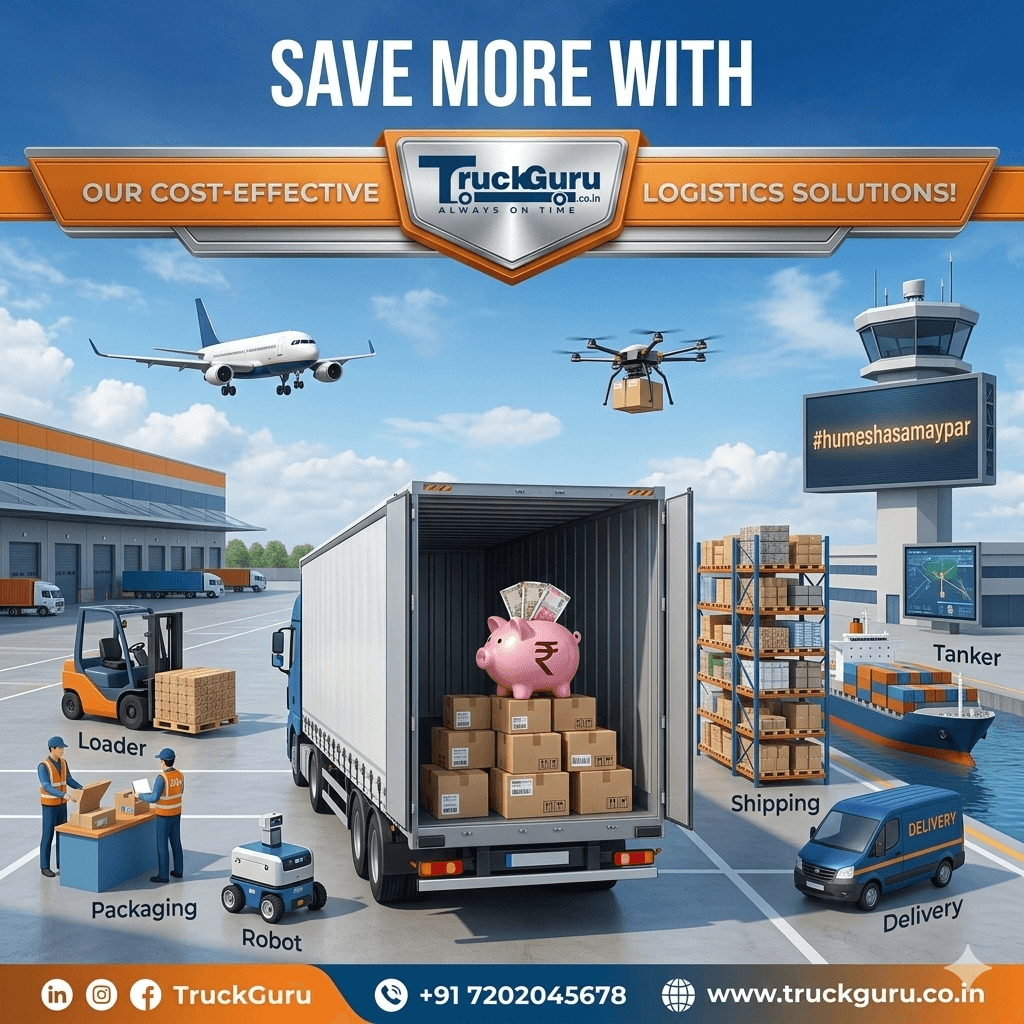
Transportation costs are killing your profits. Every shipment, every delivery, and every truck booking—it all adds up fast. And in 2026, these costs keep going up.
If you run a B2B business moving goods across South India—Chennai to Bengaluru, Hyderabad to Coimbatore, anywhere in between—you need to reduce transportation costs in India right now. It’s not about saving a little money. It’s about keeping your business profitable.
Why Do Transport Costs Keep on Increasing?
Let’s check out what’s really happening:
- Fuel prices keep fluctuating: Diesel prices swing up and down. You can’t plan your budget when fuel costs change every month. One bad quarter and your whole year is messed up.
- Drivers and staff cost more: Good drivers and warehouse workers want higher salaries. If you ship every day, labour costs are now eating a huge part of your budget.
- Toll cost variation on different routes: Shipping across South India usually involves high tolls and city entry charges. Route prices that change based on distance and truck size. Picking the wrong route means paying 20% more for nothing.
- Competitive Market Pressure: Customers want fast shipping but won’t pay more. Everyone wants next-day delivery at the lowest price. Without good freight cost reduction solutions in India, you lose customers or your profit disappears.
Key Transportation Cost Reduction Strategies for 2026
Forget the complicated stuff. Take a look at what really works:
1. Stop Last-Minute Bookings
Last-minute truck bookings cost you more.
Look at your shipping history. See when you ship the most. Book trucks early in the month—it’s usually cheaper than end-of-month panic bookings.
Ship to the same places regularly? Negotiate with transporters as you have regular work. They want steady business, so they might cut down rates.
2. Fill Up Your Trucks Properly
Logistics cost optimization in South India starts here—don’t send half-empty trucks.
If you have three small loads going to nearby cities, combine them into one full truck. Pack better so you use all the space. When you do this right, you cut costs by 15-20%.
Example: Sending three partial loads to Vijayawada, Visakhapatnam, and Kochi? That’s three truck payments. Put them together into full loads, and you just saved money on two trucks.
Better packing also means less broken stuff, fewer claims, and less wasted money.
3. Integration of Digital Tools in Logistics Operations
These days, you can’t reduce fuel and transport expenses in logistics without technology.
Best digital logistics solutions in India give you:
- Live tracking so you know where trucks are
- Clear prices so you can compare before booking
- Real numbers showing which routes cost less
- Less paperwork, fewer mistakes
A truck booking platform for cost saving logistics shows you real-time rates and trucks available. No need to call ten different transporters and compare quotations from them.
4. Building Long-lasting Connections With Partners
Booking random trucks from random people costs more money over time. Find transport partners you trust. Give them regular business. You get better rates, priority truck availability, and flexible payment terms.
Professional transportation cost management for businesses means thinking ahead, not just fixing the current problem.
Why Digital Platforms Matter in 2026?
The traditional methods of managing freight involves—calling different transporters, unclear prices, chasing trucks—wastes your time and money.
Digital logistics solutions India put everything in one place. You can handle operations from one system without making phone calls and see rates, trucks, and options.
How TruckGuru Helps B2B Companies to Reduce Transportation Costs?
TruckGuru is made for B2B logistics in South India. Here’s what you get:
- Clear Prices, No Games: Our digital platform allows businesses to see live rates immediately. They can compare truck types for load and distance and pick what fits your budget. No surprise fees later.
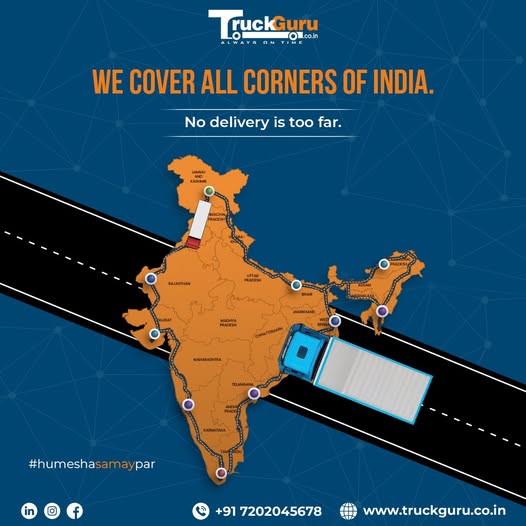
- Strong Network All Over South India: TruckGuru has verified partners in Tamil Nadu, Telangana, Andhra Pradesh, Karnataka, and Kerala. Factory shipments, distributor deliveries—all covered.
- Smart Routes That Save Money: The platform finds fuel-efficient routes and avoids traffic jams. Less time driving means less fuel spent and faster delivery.
- Data-driven Decision That Helps You Decide: Get real-time data to predict demand, use trucks better, and apply freight cost reduction solutions in India that actually work. Make decisions based on facts, not guesses.
This saves you money now and keeps saving you money later. That’s the real difference.
The Business Impact of Transportation Cost Reduction
Businesses can adopt these smart strategies in 2026 to cut down their transportation expenses:
- Pay 15-20% less for transport through better routes, smart loading, and picking the right trucks.
- Deliver faster and more reliably because you work with better partners and use better tools. Your customers see the difference.
- Move inventory better so you don’t waste money storing things too long. Good logistics means good inventory control.
- Do way less paperwork when you go digital. Your team stops wasting time on admin and does real work.
- Grow without costs exploding. When your system works well, growing your business doesn’t mean doubling your transport costs.
The Bottom Line
Reducing transportation costs in India in 2026 needs three things: plan better, use technology, and work with good partners.
Fuel prices aren’t coming down, labour costs will keep rising, and competition stays tough. That’s the current business reality.
But if you focus on logistics cost optimization in South India—use data, use digital platforms, build partnerships with trusted transporters like TruckGuru—you can control costs without ruining service quality.
No matter if you are moving bulk orders between cities or managing big distribution networks, smart transportation cost reduction strategies 2026 plus the right platform, make you profitable instead of barely surviving.
TruckGuru gives you what you need: instant truck booking, clear pricing, smart tracking, and useful data. That’s how B2B businesses handle transport costs in 2026.
Your transport costs don’t have to keep rising. You just need to do things differently.
Frequently Asked Questions
1. How can I reduce transportation costs in my business?
Start with three things:
- Book trucks early instead of last-minute
- Combine shipments to fill trucks completely
- Use digital platforms to compare prices before booking.
These changes alone can cut costs by 15-20%.
2. What is the biggest expense in transportation?
Fuel costs are the biggest expense, taking up 30-40% of total transport costs. After that comes labour costs for drivers and staff. Managing these two expenses is critical for reducing transportation costs in India.
3. How does load consolidation reduce freight costs?
When you combine multiple small shipments into one full truckload, you pay for one truck instead of three or four partial loads. This cuts per-unit cost significantly. It’s one of the best freight cost reduction solutions India companies can use.
4. Should I use a logistics platform or call transporters directly?
Logistics platforms save you more money. They show you multiple options with clear pricing, let you track shipments live, and give you data to make better decisions. Calling transporters directly means no price comparison and more time wasted.
5. What are the best transportation cost reduction strategies for 2026?
The most effective transportation cost reduction strategies 2026 include: strategic shipment planning, load optimization, using digital booking platforms, building long-term partnerships with transporters, and route optimization to save fuel.
6. Which digital platform is best for reducing transport costs in South India?
TruckGuru is built specifically for South India B2B logistics. It offers transparent pricing, verified transport partners across Tamil Nadu, Karnataka, Telangana, Andhra Pradesh, and Kerala, plus smart tracking and route optimization.
7. How do I negotiate better rates with transporters?
Give them regular business instead of one-off bookings. Show them consistent volume over time. Book in advance instead of last-minute. This makes them compete for your business with better rates and service.